Our Associations

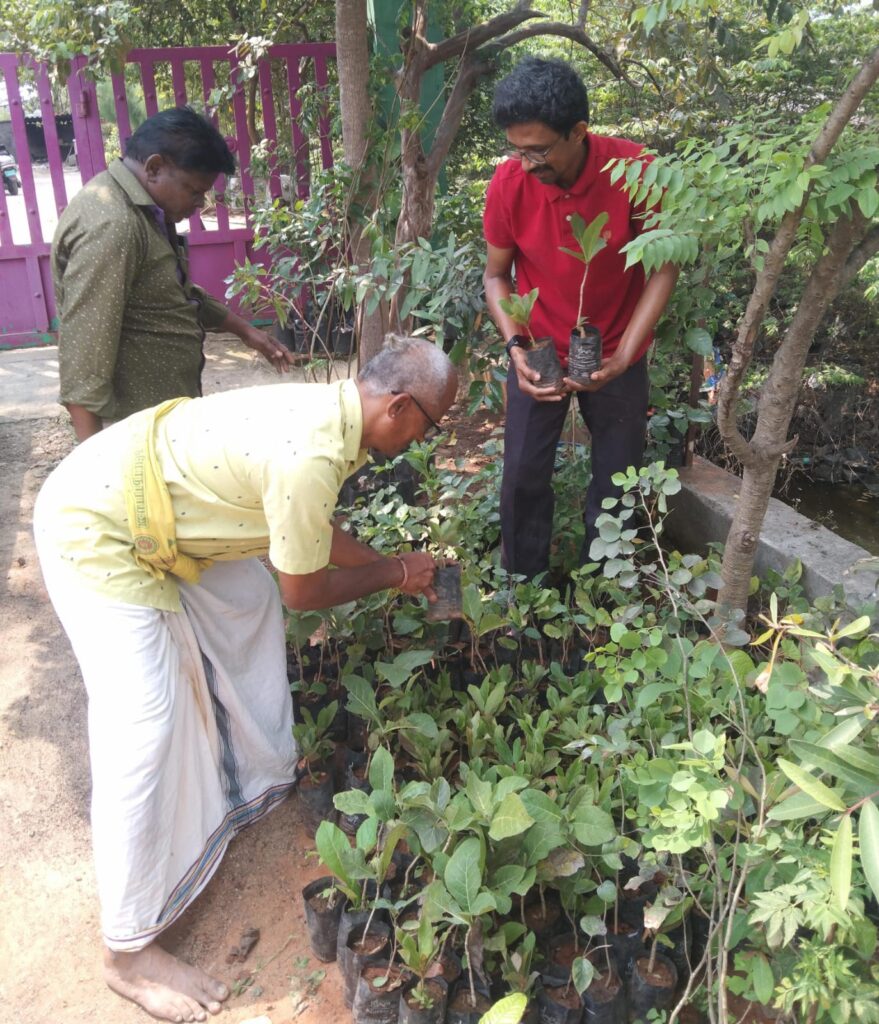
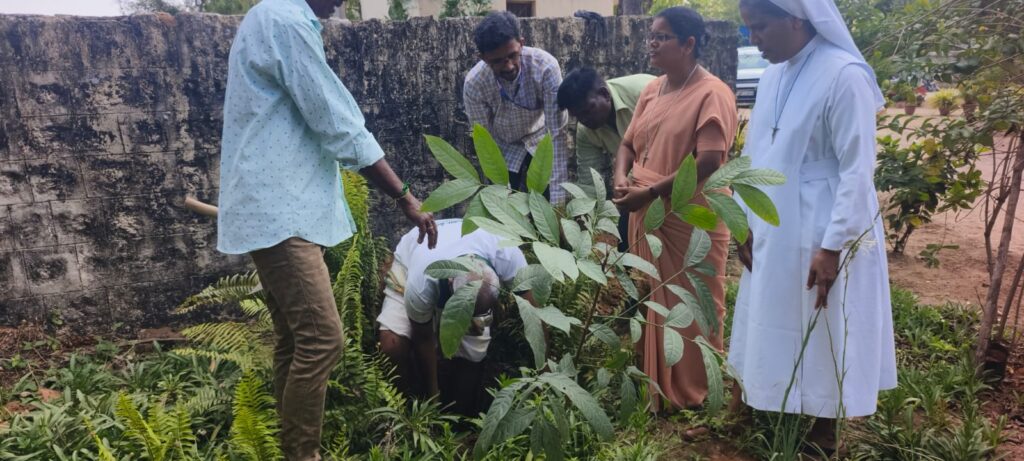
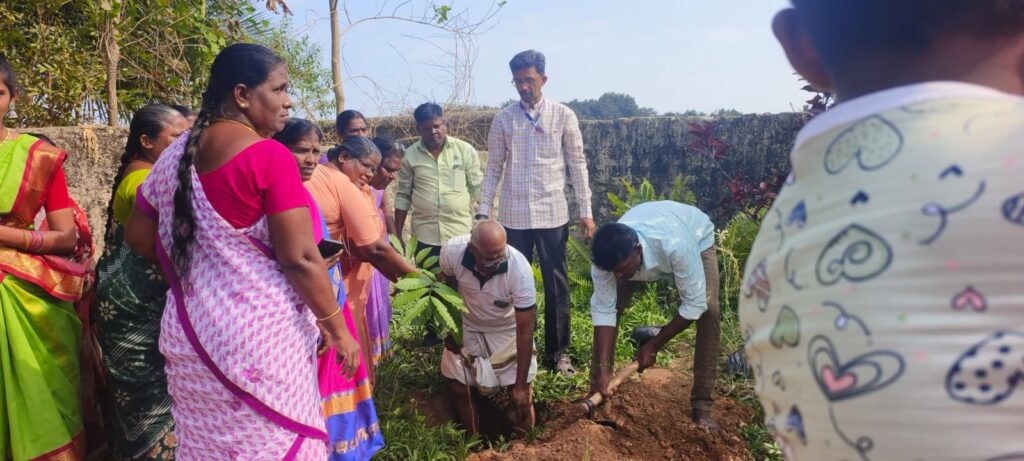
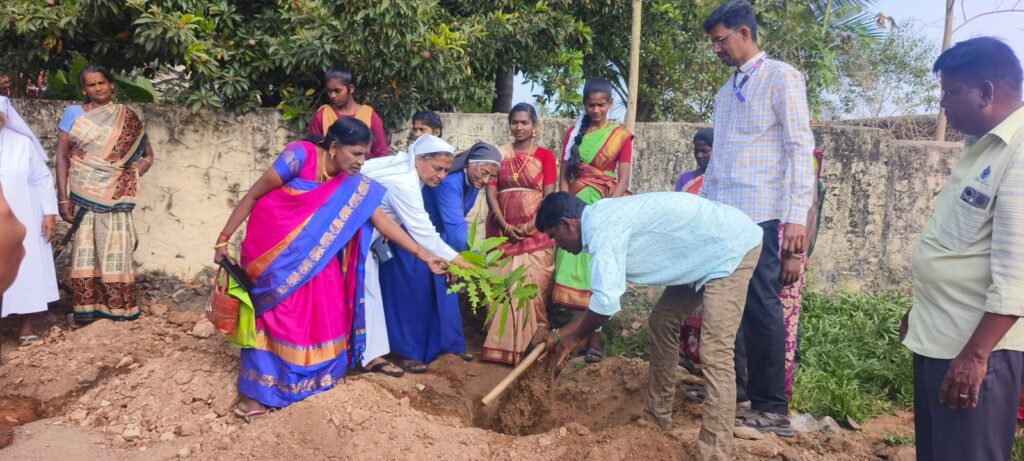
MARAM NADUVOM VANGA (Let's Plant Trees)

The Trust is established for the following charitable and environmental purposes, including mass plantation.
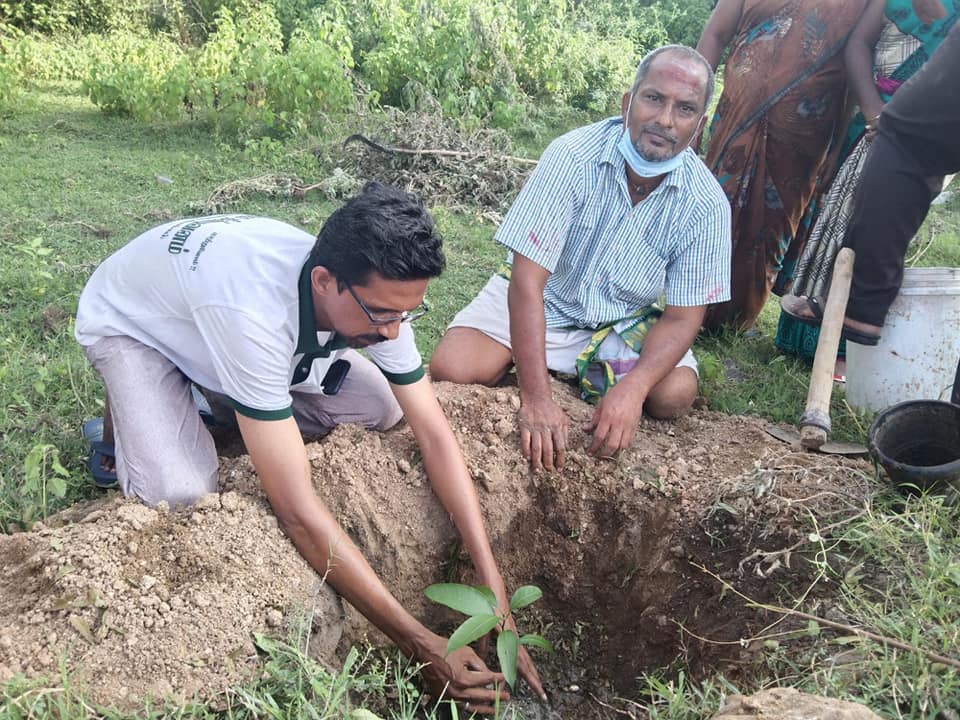
To initiate and manage large-scale tree planting drives in forests, urban spaces, and rural lands.
Phase A:
Scientific Site & Species Selection Eco-Zoning: India has diverse climates. You cannot plant the same trees in Tamil Nadu as you would in Himachal Pradesh. Use indigenous trees such as Neem, Peepal, or Jamun, which are common in the South and have higher survival rates, support local bird/insect life, and also plant different types of trees. Soil Testing: Conduct basic pH and moisture tests to ensure the land can support the specific saplings.
Phase B:
Modern Planting Techniques Miyawaki Method: Ideal for urban micro-forests. It involves planting 3–4 saplings per square meter to create a dense, self-sustaining forest within 2–3 years. Seed Bombing: For inaccessible or hilly terrains, use clay-coated seed balls dispersed during the pre-monsoon season. Auger Drilling: For thousands of pits, use tractor-mounted or handheld power augers to speed up the process by 10x compared to manual shovels.
Phase C:
Survival & Maintenance (The "Aftercare"), Geo-Tagging: Use a mobile app to mark the GPS location of each cluster. This provides "Proof of Plantation" for donors and CSR partners. Community Guardians: Partner with local schools or farmers' groups. A tree only "counts" if it survives the first 3 years. Water Management: Implement drip irrigation or "Rainwater Harvesting" trenches near the plantation sites.
  1. Maram Naduvom Vaanga : Click Here
  2. Maram Nduvom Vanga Applocation Online  : Click Here

Plant Trees - Be Aware

1. Environmental SustainabilityThe primary goal is to combat local climate issues. Trees act as natural carbon sinks, absorbing $CO_2$ and releasing oxygen. In regions like Tamil Nadu, strategic planting helps in:Temperature Regulation: Reducing the "heat island" effect in urban and semi-urban areas.Soil Conservation: Tree roots bind the soil, preventing erosion during heavy monsoon rains.Water Table Recharge: Trees improve the soil's ability to absorb rainwater, which is vital for maintaining groundwater levels in drought-prone zones.2. Organized Afforestation vs. Random PlantingA foundation provides the technical expertise required for a tree to actually survive. This includes:Species Selection: Choosing native species (like Neem, Pungam, or Teak) that thrive in the local climate and support local biodiversity.Maintenance Systems: Foundations often establish "after-care" protocols, ensuring saplings are watered and protected from cattle during their first three years.Mass Impact: A foundation can organize "Mega Plantation" drives, turning a small patch of land into a micro-forest (Miyawaki method), which has a much higher ecological value than scattered trees.

About Maram Naduvom Vanga Foundation Founder

Led by Founder Chairman Bishop P. Charles, the Maram Naduvom Vanga Foundation has grown into a significant environmental movement across Tamil Nadu. The foundation focuses on mass afforestation, youth engagement, and the preservation of native species like Neem and Pungam. By establishing a professional administrative framework, Bishop Charles ensures that the "Green Movement" remains sustainable, transparent, and impactful for future generations.

Helping Others

Environmental Protection as Public Service
Planting trees is one of the most effective ways to help a community's health and well-being:

Clean Air: Trees act as natural air purifiers, absorbing pollutants and providing fresh oxygen for local residents.

Water Security: By planting trees near water bodies and in dry areas, the foundation helps recharge groundwater levels, ensuring farmers and families have access to water.

Natural Cooling: In warm regions like Tamil Nadu, increasing the green cover provides much-needed shade and reduces the local temperature.

Medical Counseling

Planting "Medicinal Forests"
Instead of general afforestation, dedicate specific areas to Medicinal Tree Zones. Focus on trees and plants that provide natural remedies:

Neem (Vembu): For skin health, anti-bacterial properties, and immunity.

Moringa (Murungai): A "superfood" rich in iron and vitamins to fight malnutrition.

Tulsi (Holy Basil): For respiratory health and stress relief.

Amla (Nelli): High in Vitamin C for hair and immune support.

Adhatoda (Vaadaikannupillai): Excellent for treating coughs and asthma.

Family Counselling

"The Maram Naduvom Vanga Foundation believes in healing both the Earth and the Heart. Through our unique integration of tree planting and family counseling, we help families grow stronger while creating a greener world. We treat every family like a 'Living Tree'—providing the care, support, and environment they need to flourish for generations."

Special Counseling

Counseling is known as one of the greatest helping professions on Earth. Counseling can help improve mood, treat mental illness, reduce medical costs, improve communication and relationships, and promote self-esteem and resilience. As counseling improves the mental health, resilience, educational, and work outcomes of individuals, general society reaps the benefits through economic and physical wellbeing and relational improvement. A counsellor may help identify their individual challenges and emotions so that they may take the next step to solve their problems. A counsellor may also help the client determine what the next step might be by offering suggestions.

Church Location

No 1, Jebathotta Nagar,                    Chennai - Trichy Bypass Road,  Tindivanam (Post), Villupuram District, Tamil Nadu-604001, India.

Email Support

contact@jwurc.org,

jwurct@gmail.com


Phone Support

+91 8870909292

+91 8300733707

Head Office Tamilnadu

+91 8300836898

+91 7010003101